Explore the historic stone paths of the Inca Empire on a four-day trek to Machu Picchu. These multi-day expeditions include camping equipment, meals, expert guides, and scenic train rides back to Cusco.

Hike the Inca Trail with expert guides, strict food safety standards, and detailed history lessons sent to your inbox.

A 4-day trek to Machu Picchu featuring remote ruins, ethical local support, and a panoramic train return.
 Free Cancellation
 Hike the 26-mile Inca Trail to Machu Picchu, entering through the Sun Gate with expert guides and full porter support.
 Likely to Sell Out
 Hike the original 26-mile Inca Trail to reach the Sun Gate at sunrise and explore the heart of the Andes.
 Likely to Sell Out
 Hike the 4-day Inca Trail to Machu Picchu, crossing Andean passes and cloud forests with full guide and porter support.
 Likely to Sell Out
 A 4-day trek along the ancient stone path to Machu Picchu, featuring locally sourced organic meals.
 Likely to Sell Out
 Trek the classic Inca Trail to Machu Picchu, exploring ancient ruins and cloud forests before a Huayna Picchu climb.
 Likely to Sell Out
 A 4-day trek along ancient stone paths to Machu Picchu, featuring mountain views, ruins, and a Sun Gate sunrise.

Hike the legendary 4-day Inca Trail to Machu Picchu on original stone paths with organic meals provided.
Read what travelers share about their experience visiting Inca Trail — from practical tips to personal highlights.
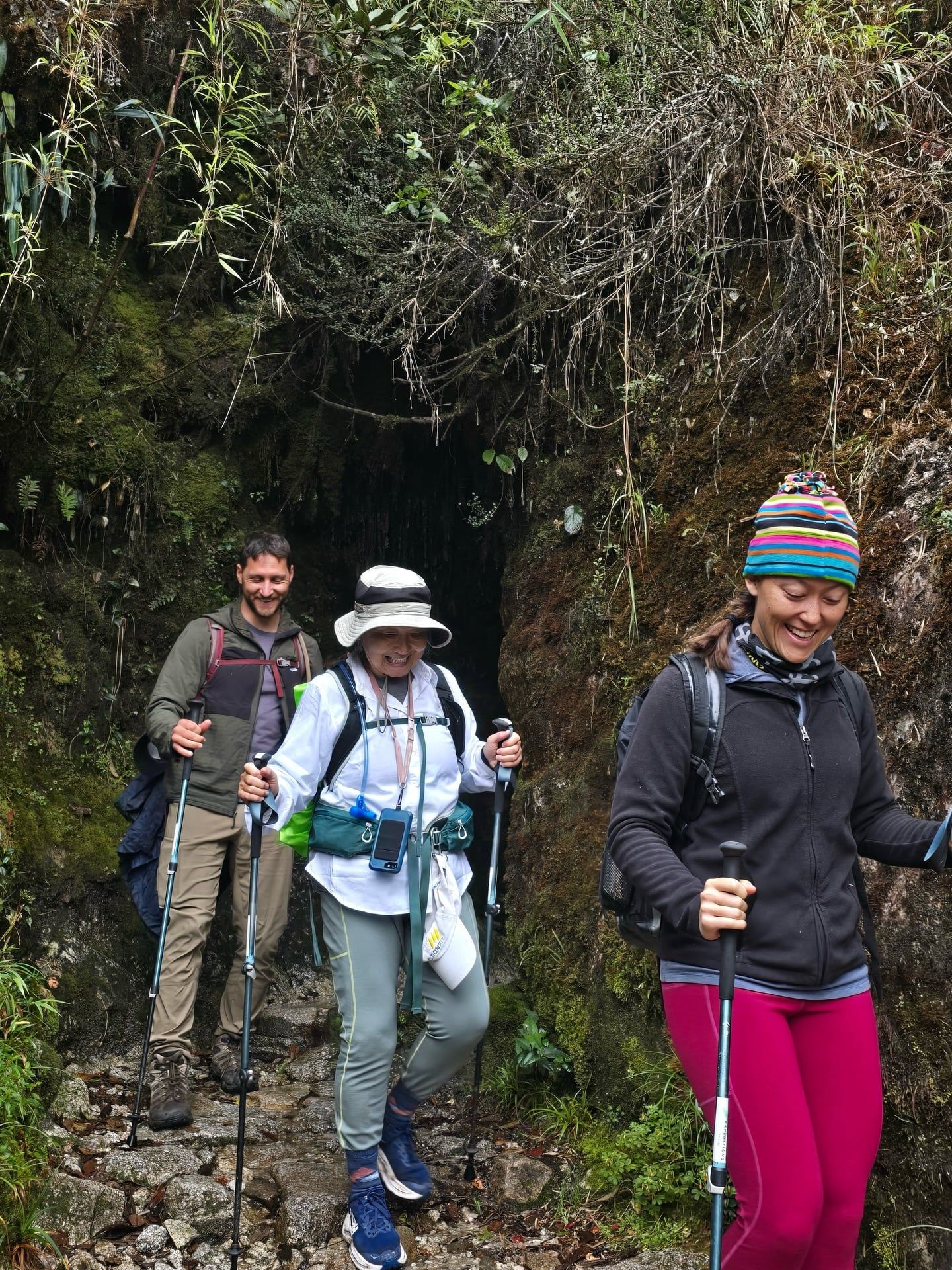
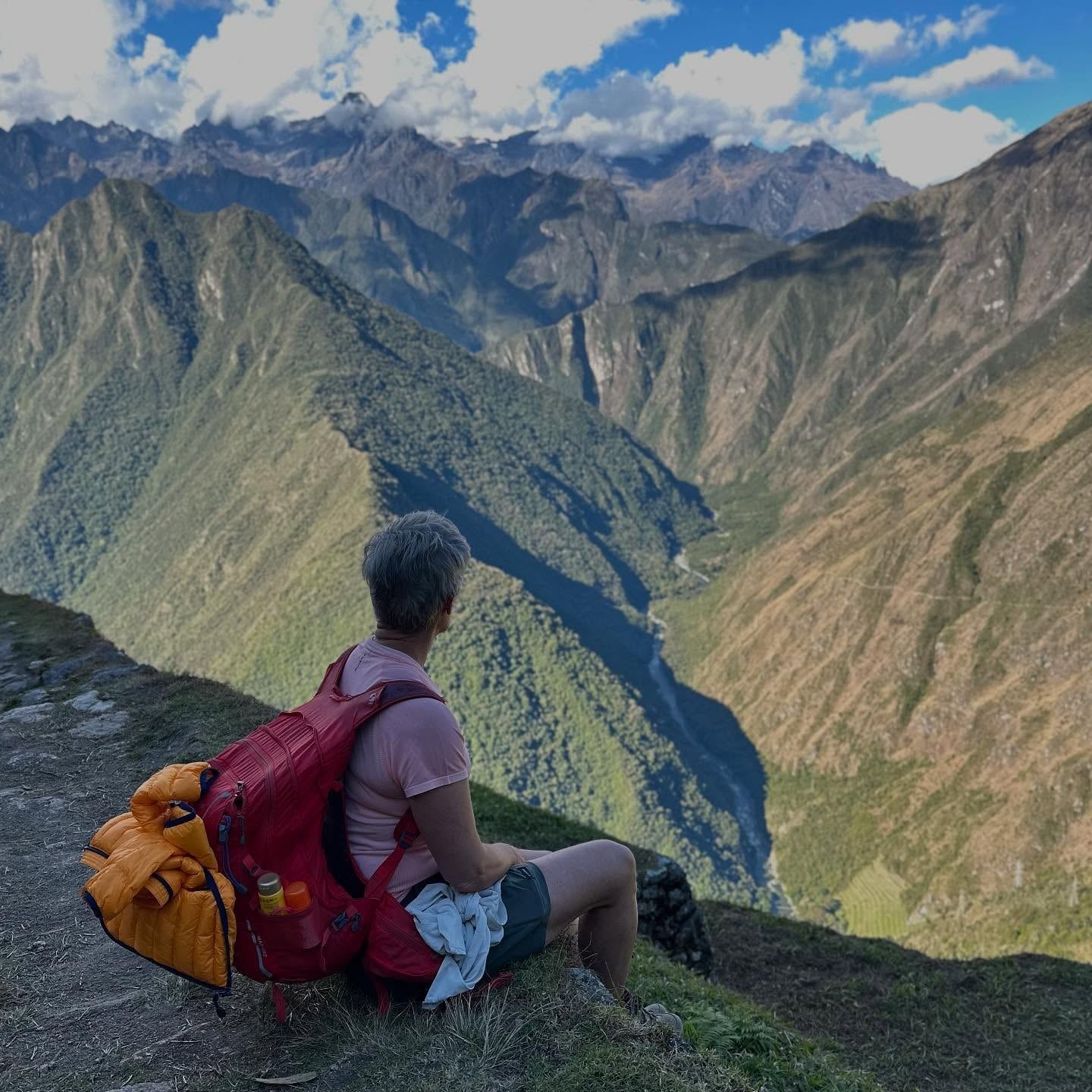
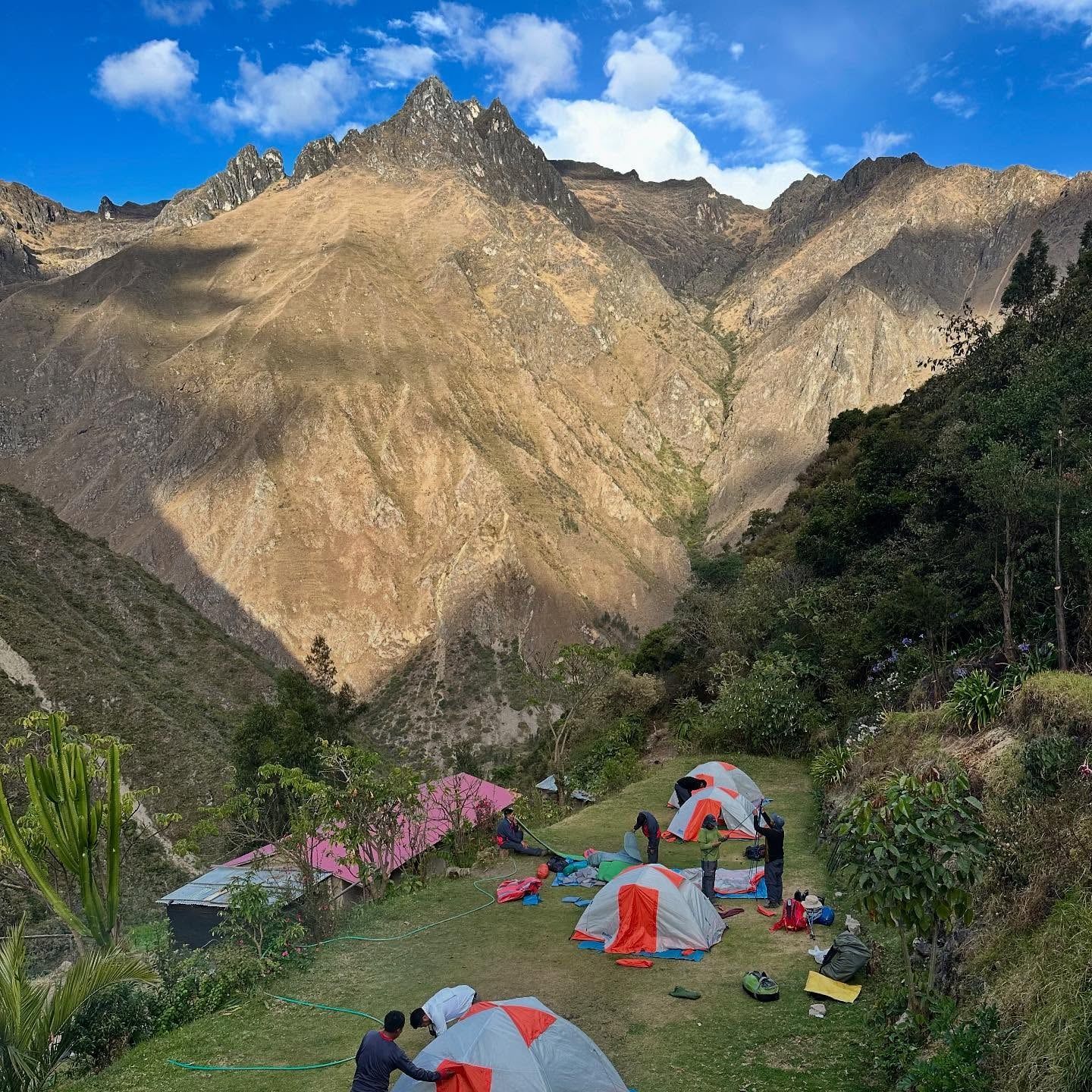
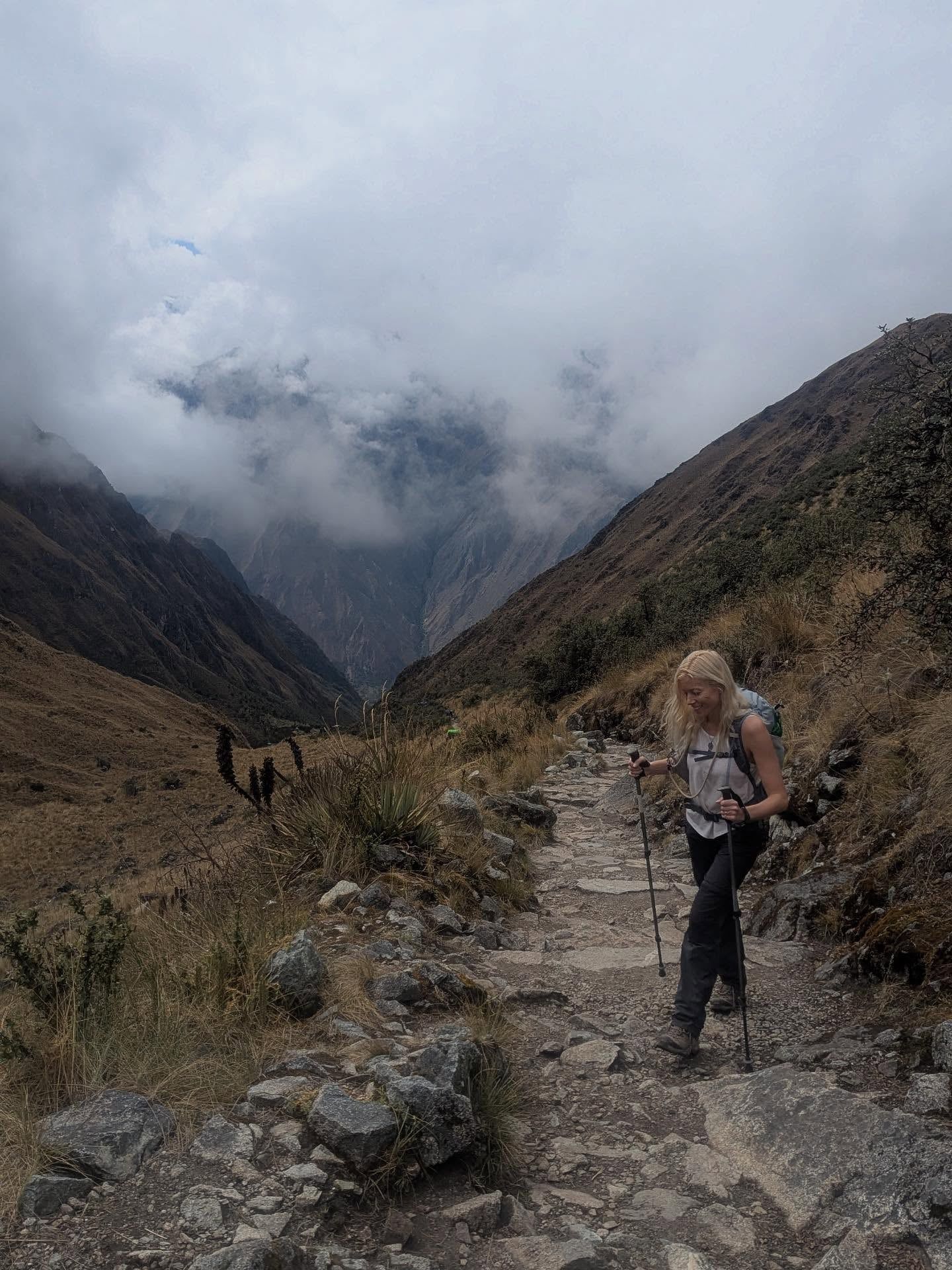
The 4-day Inca Trail is a challenging but incredibly rewarding 26-mile trek through the Andes, following original stone paths built over 500 years ago. You can expect steep high-altitude climbs, diverse cloud forest ecosystems, and fully supported camping before finally walking through the Sun Gate into Machu Picchu.
Challenge yourself with the steep ascent to Warmi Wañusqa. At 4,215 meters (13,829 feet), it is the highest and most physically demanding point of the trek.
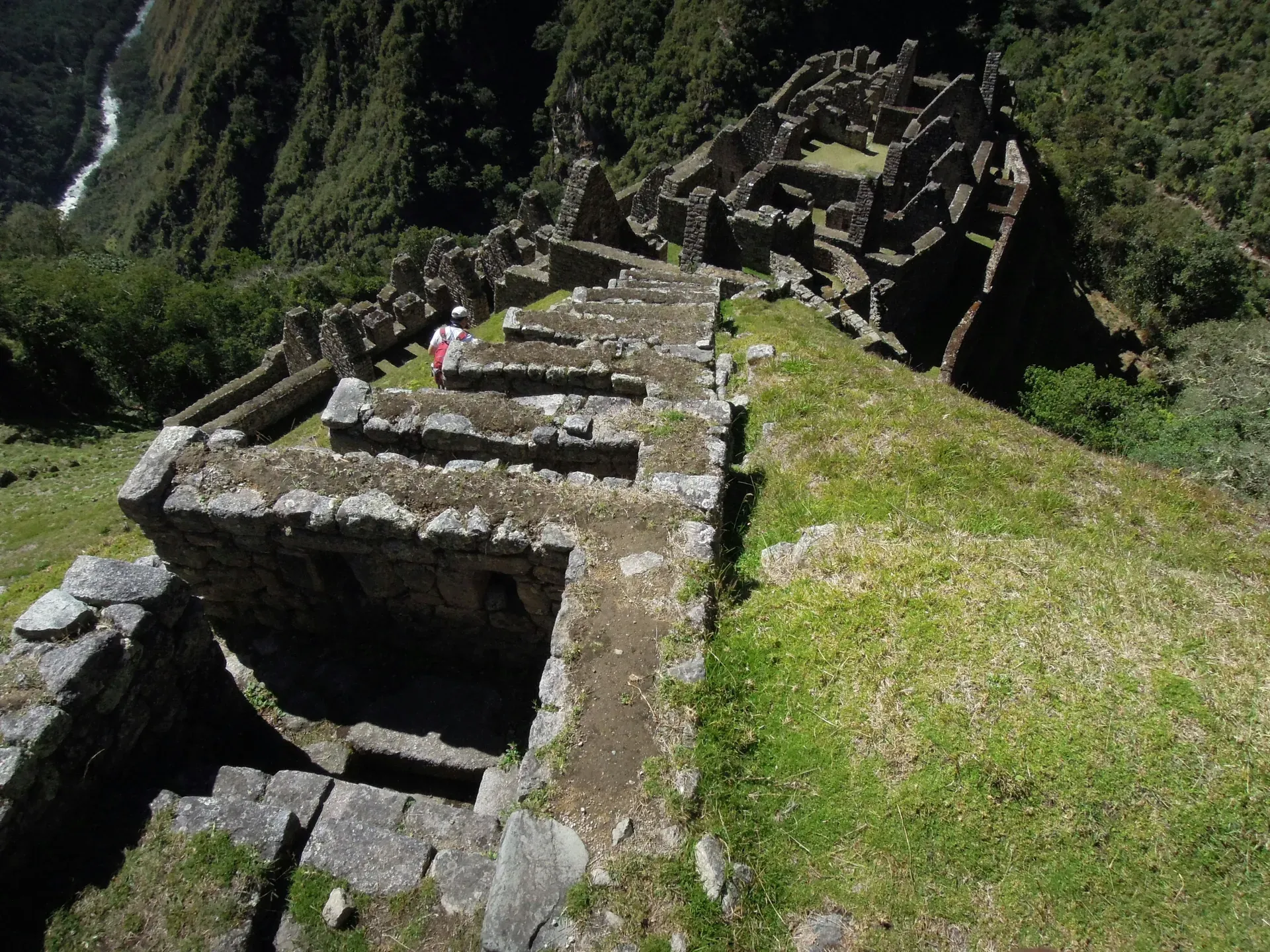
Explore these breathtaking ancient stone houses and agricultural terraces clinging to a steep mountainside overlooking the Urubamba River.
Experience the unforgettable moment of arriving at Inti Punku at dawn. This iconic stone portal offers your very first panoramic glimpse of Machu Picchu.
Sleep comfortably in spacious 4-man tents shared by just two people. Expert chefs prepare hot, fresh meals daily to keep your energy up.
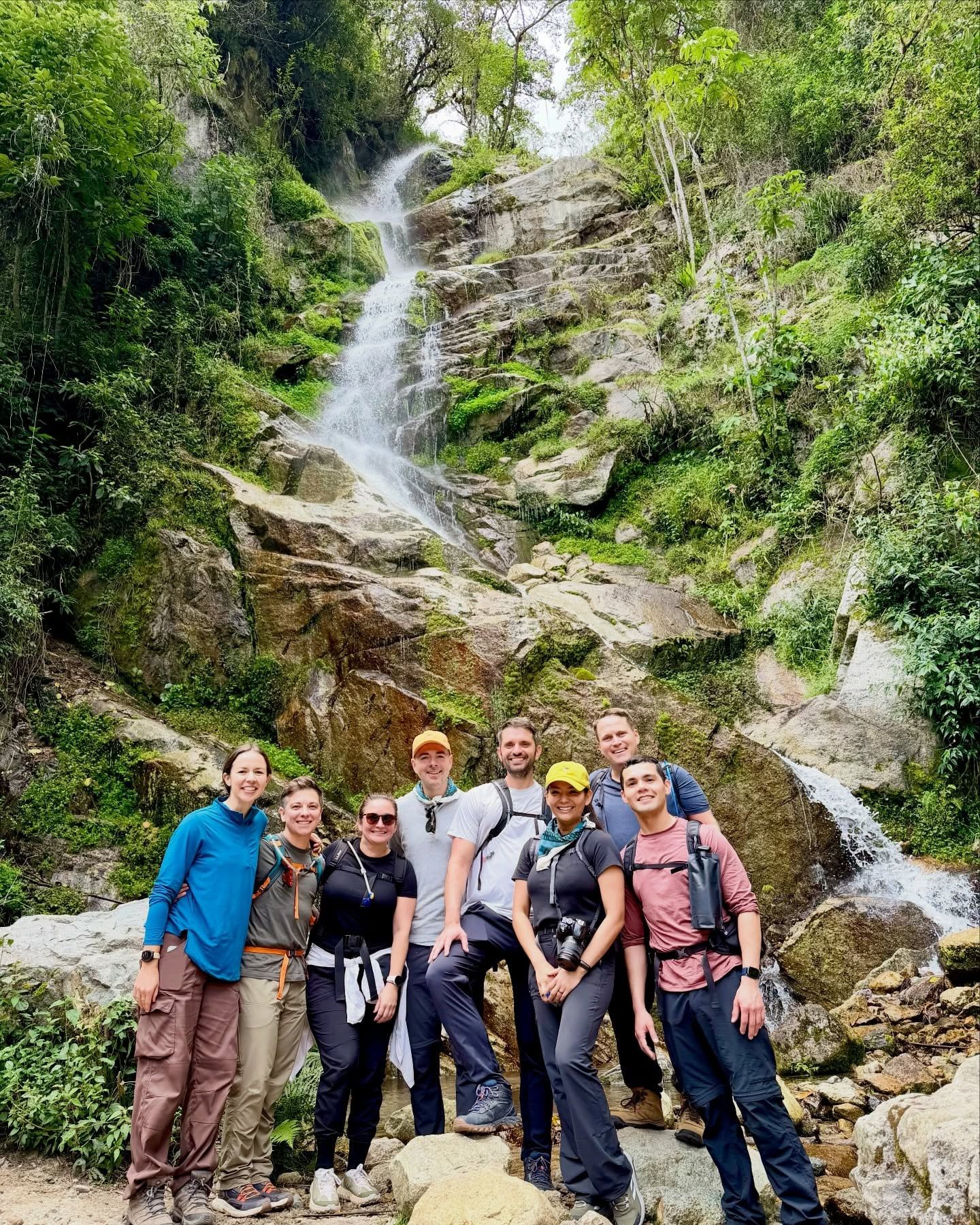
Hike through four distinct life zones. Watch the landscape transform from rugged alpine tundra into lush, humid subtropical jungle.
After exploring the citadel, rest your legs on a beautiful train ride back to Ollantaytambo, often on panoramic Vistadome or 360° trains.
Hiking the Inca Trail requires strict planning and early booking due to government regulations and high demand. Here is what you need to know before securing your spot.
The Peruvian government strictly limits the trail to 500 people per day, which includes guides and porters. You must book 6 to 9 months in advance for peak season (May-September) as permits sell out rapidly.
Independent hiking is illegal. All treks must be booked through an authorized operator. Most options are small group tours (averaging 6-15 people) or private treks, led by certified bilingual guides.
Standard 4-day packages include your trail permits, Machu Picchu entrance tickets, all meals on the trek, camping equipment, and return train tickets. Personal sleeping bags usually cost extra to rent.
While porters always carry the communal tents and food, check your specific tour for personal gear limits. Many premium or 'Complete' tours include a personal porter to carry up to 7kg (15 lbs) of your belongings.
Because government permits are completely non-refundable and non-transferable, most tour operators have an 'All sales are final' policy. If you cancel, you will likely lose the full amount paid.
This is a strenuous high-altitude hike covering 42 kilometers with massive elevation changes. It is not recommended for pregnant travelers, those with heart conditions, or anyone with spinal injuries.
Do not plan your trek for February. The entire Inca Trail network is closed for mandatory conservation, trail maintenance, and safety repairs during this rainy month.
| Standard Small Group Trek | Premium / Complete Trek | Short Inca Trail | |
|---|---|---|---|
| Duration | 4 Days | 4 Days | 2 Days |
| Best for | Budget-conscious hikers | Extra comfort and support | Time-limited travelers |
| Inclusions | Permits, meals, shared tents, basic return train (Expedition) | 7kg personal porter, sleeping bag, panoramic train (Vistadome/360°) | Permits, 1 day hiking, 1 hotel night, guided citadel tour |
| Price from | $798 USD | $932 USD | $500 USD |
The Inca Trail: The trail is open 24/7 for permitted hikers from March 1st through January 31st. It is completely closed for the entire month of February for mandatory maintenance.
Machu Picchu Citadel: Daily entry is scheduled in specific shifts to control crowds:
Visitors have a maximum duration of 4 hours inside the ruins, with a 30 to 45-minute tolerance window for entering during your assigned shift.
Starting the Trek: Most 4-day tours include a morning pickup from your hotel in Cusco or the Sacred Valley. You will take a private bus to Km 82 (Piscacucho) or Ollantaytambo, where the official trail begins.
Returning to Cusco: After exploring Machu Picchu on day 4, you will take a 25-minute shuttle bus down to Aguas Calientes. From there, your tour includes a train ride (such as the PeruRail Expedition, Vistadome, or Inca Rail 360°) to Ollantaytambo, followed by a private bus back to your Cusco hotel.
Reaching Cusco: Travelers typically fly into Lima Airport (LIM) and take a short 1-hour 20-minute flight to Cusco ($130 USD round trip). Budget travelers can take a 21-hour long-distance bus from Lima for about $50 USD.
Peak Season (May to September): This is the dry season in the Andes and the absolute best time to hike. You'll experience stable, sunny weather and clear skies for breathtaking mountain views. However, permits for these months must be booked 6 to 9 months in advance.
Shoulder Season (October & March): These months offer a mix of sun and rain with slightly fewer crowds. Permits are easier to secure, usually requiring 3 to 4 months advance booking.
Months to Avoid: February is the worst time because the trail is legally closed. January, November, and April see heavy downpours that create extremely muddy paths, slippery stone steps, and severely reduced visibility.
Wheelchair Users: The classic 4-day trail is extremely rugged, featuring steep stairs and narrow paths that are not wheelchair accessible. However, specialized luxury tours offer access to the 2-day Royal Inca Trail using all-terrain wheelchairs and expert assistants. Inside Machu Picchu, wheelchair users are restricted to Circuits 3 and 4, which have ramps and smooth pathways.
Seniors: Healthy seniors can complete the trek, but the high altitude (up to 4,215m) and physical exertion make it very difficult. It is highly recommended to spend one to three days acclimating in Cusco first and to use wooden hiking sticks for stability.
Children: Children under 18 receive a discount on permits (around $30 USD). Parents must ensure kids are fit enough for 7 hours of daily hiking over steep, wobbly Incan stonework.
On the Trail: Trekking companies provide fully supported campsites. You will sleep in high-quality 4-man tents (typically Eureka brand) that are only shared by two people for extra space. Dining tents with tables and chairs are set up for meals.
Toilets & Hygiene: Basic public squat toilets exist at some campsites, but reputable tour operators bring their own private portable chemical toilets exclusively for their groups. Hot water is provided each morning for basic washing.
Safety & Medical: All licensed guides carry emergency first aid kits, satellite phones, and emergency oxygen tanks to treat altitude sickness.
Food & Water: Dedicated chefs prepare three hot meals a day (vegetarian and vegan options available). Boiled, purified drinking water is provided every morning to refill your bottles.
Mandatory Guides: Independent hiking is strictly banned. You must hike with a certified guide and an authorized tour operator. You must carry your original physical passport, which is checked at multiple trail checkpoints.
Prohibited Items: Do not bring drones, tripods, selfie sticks, or metal-tipped walking sticks (which damage the ancient stones). Single-use plastic bottles and alcohol are also banned on the trail.
Behavioral Rules: It is illegal to climb, sit, or lean on original Inca walls. Removing plants, animals, or stones is strictly forbidden. Public nudity, costumes, and excessive noise (like shouting or whistling) will result in penalties or removal from the site.
For the popular dry-season months from May to August, you must book your permits 6 to 9 months in advance. For other months, booking 3 to 4 months ahead is recommended because the government strictly limits entry to 500 people per day.
No, the entire Inca Trail network is closed for the month of February for mandatory conservation and safety maintenance. However, Machu Picchu itself remains open and can be accessed via train.
No, independent trekking is completely prohibited. Since 2001, it has been legally mandatory to hike the Inca Trail with a certified guide and an authorized tour operator.
Yes, all 4-day Inca Trail tour packages include your mandatory trail permits and the official entrance tickets to the Machu Picchu citadel. Most tours include Circuit 1 or 3 for your final day.
The highest point is Warmi Wañusqa, commonly known as Dead Woman's Pass. It sits at an elevation of 4,215 meters (13,829 feet) and requires a steep, demanding climb.
No, your tour operator provides a team of porters and a chef who carry all communal camping equipment, dining tents, and food. Many tours also include a personal porter allowance to carry up to 7kg of your clothes and sleeping bag.
Licensed guides carry emergency oxygen tanks and first aid kits. If you experience severe symptoms, guides are trained to assist you in descending immediately. To prevent this, spend 2-3 days acclimatizing in Cusco before the trek.
Most operators have a strict 'All sales are final' policy with zero refunds. This is because the Peruvian government issues permits to your specific passport number, making them completely non-refundable and non-transferable.
No, drones and unmanned aircraft are completely banned and will be confiscated. Tripods, selfie sticks, and monopods are also prohibited without a special commercial permit from the Ministry of Culture.
It is customary to tip the hard-working communal staff at the end of the trek. Bring extra Peruvian Soles; average tips range from 100 to 150 Soles per hiker for the porters and cooks, plus an additional tip for your main guide.
Browse verified tours with free cancellation and instant confirmation.
Find Tours


Our Inca Trail expeditions prioritize guest safety through constant support on the trail. We ensure a guide always stays at the rear of the group to assist slower hikers and make sure everyone reaches camp safely. This structure allows you to walk at your own pace without the pressure of keeping up with the lead group. We maintain strict kitchen protocols to prevent illness, following international standards for food separation, thorough cooking, and the use of treated water. Our teams are trained to keep raw and cooked items separate and serve meals at safe temperatures. If a guest experiences a food-related illness due to a mistake in our kitchen, we provide full compensation for the incident. Every guide is trained in Inca history and archaeology to provide detailed context throughout the trek. To help you remember the sites and stories shared along the way, we send a written copy of all lecture materials to your email after the trip. This allows you to focus on the scenery during the hike while still having a permanent record of the historical information.
All sales are final. No refund is available for cancellations.
English, Spanish


This four-day expedition follows the historic stone paths of the Inca Empire, crossing high-altitude passes and cloud forests to reach Machu Picchu. Along the route, you will visit secluded archaeological sites and spend three nights camping at scenic locations. The journey concludes on the final morning with an arrival at the Sun Gate for a view of the citadel, followed by a detailed guided tour of the ruins. As a local operator, we provide high-quality camping equipment and ensure all porters and staff are paid fairly and treated well. Your booking also contributes to social initiatives that improve education for children in local mountain communities. To finish the trip, you will travel back through the Sacred Valley on a Vistadome or 360° panoramic train, offering a comfortable view of the landscape.
All sales are final. No refund is available for cancellations.
English, Spanish


This four-day trek follows the historic 26-mile route used by the Incas, leading you directly through the Sun Gate for your first view of Machu Picchu. The journey passes through diverse ecosystems, showcasing local flora and fauna while following a path that remains the most significant way to reach the citadel on foot. You will be supported by a professional team including local guides, a personal chef, and porters who handle all camping equipment and personal belongings. We prioritize ethical treatment for our staff and maintain small group sizes of two to eight hikers. To ensure comfort and safety, we provide high-quality gear, portable toilets, satellite phones for emergencies, and door-to-door transportation from your hotel.
For a full refund, cancel at least 24 hours before the scheduled departure time.
English, Spanish


This 26-mile (43-kilometer) trek follows the original stone paths of the Inca Trail through the Andean Mountains. You will hike through changing high-altitude environments and diverse landscapes, eventually arriving at the Sun Gate to witness the sunrise over Machu Picchu. The route provides a direct way to experience the geography and history of the region firsthand. Permits for the Inca Trail are included in your booking but are strictly limited and tend to sell out months in advance. We recommend booking early to ensure availability. If permits are no longer available for your requested dates, we will offer an alternative trekking route to Machu Picchu or provide a full refund.
All sales are final. No refund is available for cancellations.
English, Spanish


This four-day trek follows the original stone pathways built by the Inca, leading directly through the Sun Gate into Machu Picchu. The route climbs through high mountain passes and descends into lush cloud forests, passing several archaeological sites that are only accessible to those on the trail. You will walk on preserved masonry and stairs used centuries ago, reaching the citadel on the final morning. Everything for the trek is organized in advance, including trail permits, professional guides, and a team of porters who carry the camping gear and prepare all meals. We provide tents and equipment so you only need to carry a small daypack. This supported approach allows you to focus on the terrain and history of the Andes while we handle the logistics of the campsites and navigation.
All sales are final. No refund is available for cancellations.
English, Spanish


This four-day journey follows the original stone-paved route used by the Incas, leading you through high mountain passes and cloud forests. The trek culminates at the Sun Gate, offering the traditional historic entrance to the citadel of Machu Picchu. As an officially licensed operator, we focus on a high standard of service and sustainability. Our team provides fresh, organic meals prepared on-site, ensuring you have the energy needed for the challenging Andean terrain while supporting local agricultural practices.
All sales are final. No refund is available for cancellations.
English, Spanish


The Inca Trail to Machu Picchu travels through a changing landscape of high mountain passes, cloud forests, and subtropical jungle. Along the way, you’ll encounter original Inca stonework, including complex water systems, agricultural terraces, and remote archaeological sites. The journey culminates at the Sun Gate (Inti Punku) for a first view of Machu Picchu at sunrise. For those seeking a higher perspective, the itinerary includes a climb to the summit of Huayna Picchu for views over the entire citadel. As a local Peruvian operator, we manage every detail of the trek directly. Our teams include experienced local guides, professional cooks, and porters who handle all high-quality camping equipment. All meals are provided and prepared fresh on the trail using local ingredients. We prioritize sustainable tourism practices and provide personalized support throughout the excursion to ensure a safe and authentic experience on this historic route.
If you cancel at least 3 full day(s) before the scheduled departure time, you will receive a full refund.<br>If you cancel within 3 day(s) of the scheduled departure, you will receive a 0% refund.
English, Spanish


The 4-day Classic Inca Trail follows the original stone-paved paths used by the Inca empire. You will trek through high Andean passes and dense cloud forests, passing several archaeological sites that are only accessible on foot. The route covers varied terrain and offers a direct look at the region's history and mountain ecosystems. This trek is conducted in small groups to ensure a steady pace and a more focused experience. To help manage the physical demands of the trail, personal porters are available to carry your gear. The journey concludes on the final morning at the Sun Gate, timed to reach Machu Picchu as the sun rises over the ruins.
All sales are final. No refund is available for cancellations.
English, Spanish


This four-day trek follows the original stone-paved path built by the Incas, leading through diverse Andean landscapes directly to the Sun Gate of Machu Picchu. Along the route, travelers encounter several ancient archaeological sites and cross high-altitude passes that offer panoramic views of the surrounding mountain range. As an official operator of the Classic Inca Trail group service, we prioritize high-quality nutrition and professional logistics. The journey includes organic meals prepared with fresh ingredients, designed to sustain hikers through the challenging terrain of one of South America's most significant historical routes.
If you cancel at least 6 full day(s) before the scheduled departure time, you will receive a full refund.<br>If you cancel between 2 and 6 day(s) before the scheduled departure time, you will receive a 50% refund.<br>If you cancel within 2 day(s) of the scheduled departure, you will receive a 0% refund.
English, Spanish