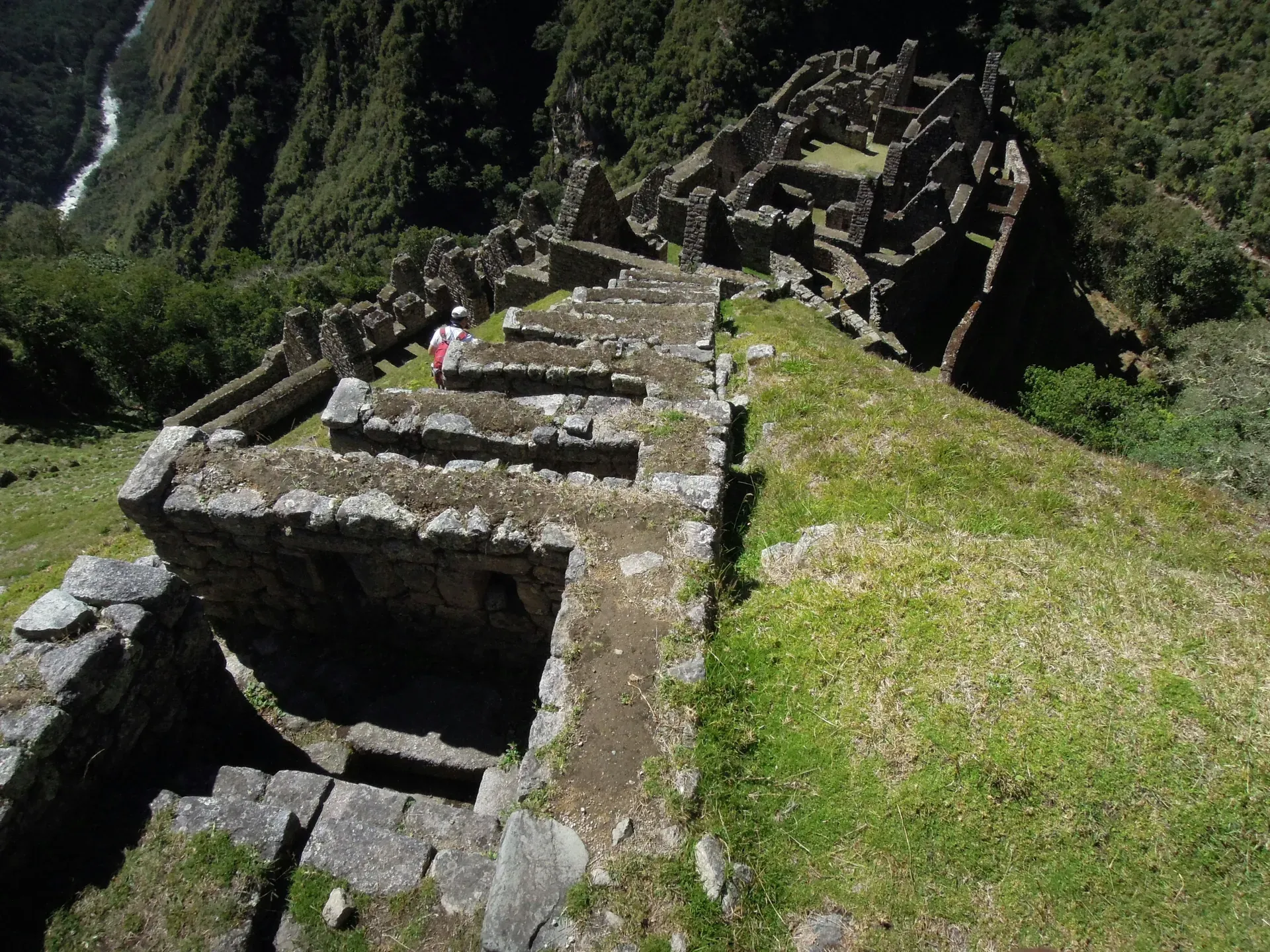
This 15th-century mountain path spans 42 kilometers through the Urubamba Andes, climbing to a challenging 4,215 meters at Dead Woman's Pass. Trekkers navigate steep stone stairs and complex archaeological sites like Wiñay Wayna before finally arriving at the Sun Gate to view Machu Picchu.
Find Guided ToursThe Inca Trail is a 42-kilometer mountain path connecting the imperial city of Cusco to the citadel of Machu Picchu. It represents the most famous segment of the Qhapaq Ñan, a massive 30,000-kilometer pre-Columbian road network spanning South America. Trekkers navigate a rugged route through the Andes that terminates at Inti Punku, the stone Sun Gate.
Constructed in the mid-15th century under the rule of Pachacútec Yupanqui, the trail functioned as a sacred pilgrimage route. It was designed to allow travelers to approach the Apus, or mountain spirits. The network expanded rapidly under Huayna Capac, who added an estimated 16,000 kilometers of road to mobilize armies and suppress rebellions. This preindustrial engineering feat served as a powerful display of state control over extreme Andean geography.
Following the Spanish conquest, the mountain path fell into decline and was largely forgotten. It remained obscure until explorer Hiram Bingham's work and subsequent hikes by Johan Reinhard in the 1980s brought it back to global attention. The Peruvian government restored major portions of the route in the 1990s, protecting its archaeological monuments and leading to its official inscription as a UNESCO World Heritage Site in 2014.
Today, the Classic route challenges hikers with extreme elevation changes across four distinct ecological zones. The path climbs from humid cloud forests to alpine tundra, reaching a maximum height of 4,215 meters at Warmi Wañusqa, also known as Dead Woman's Pass. From this high-altitude peak, the trail descends to its lowest point at the Machu Picchu ruins, situated 2,430 meters above sea level.
Discover the full history and cultural significance on our About page.
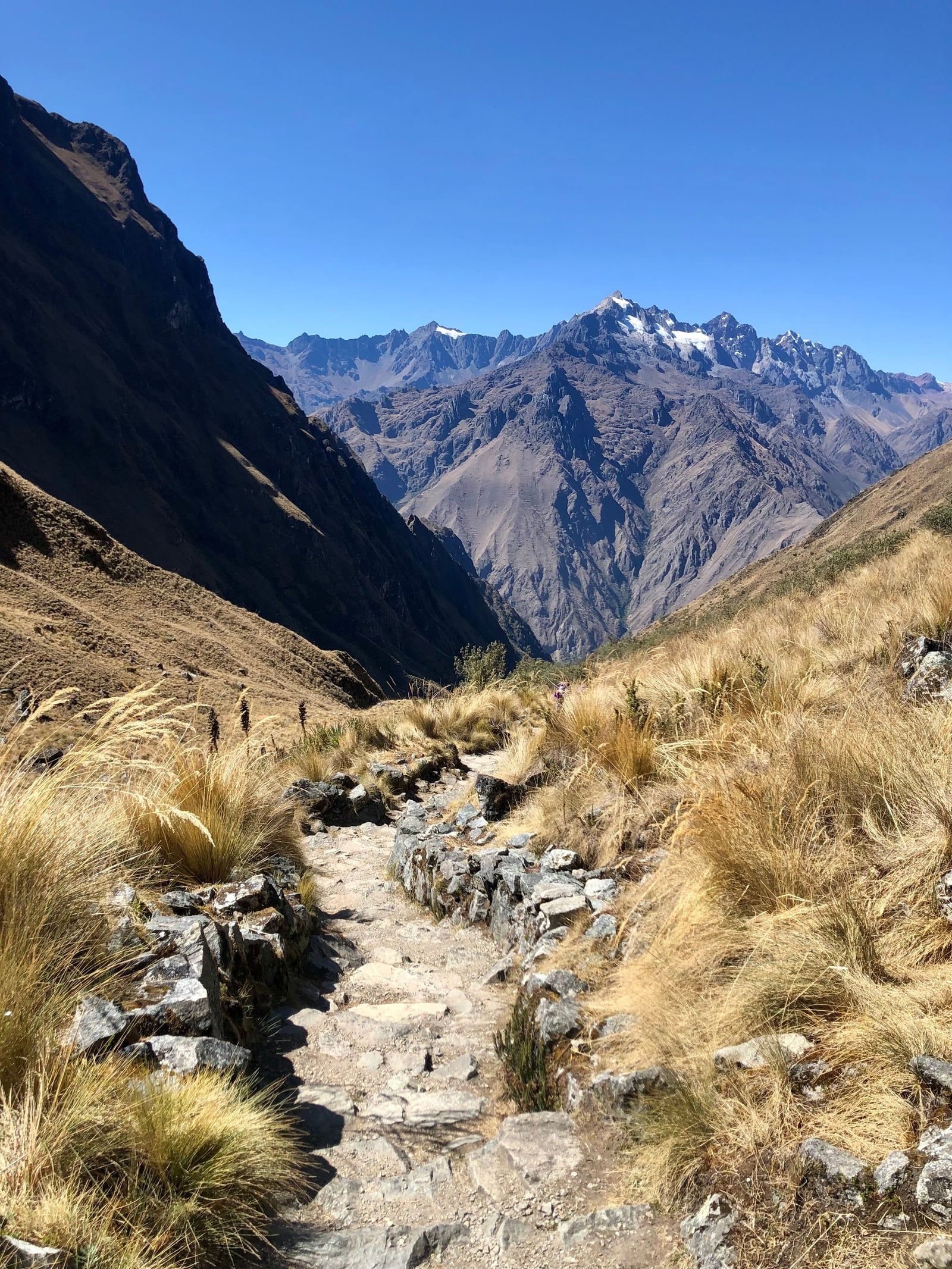
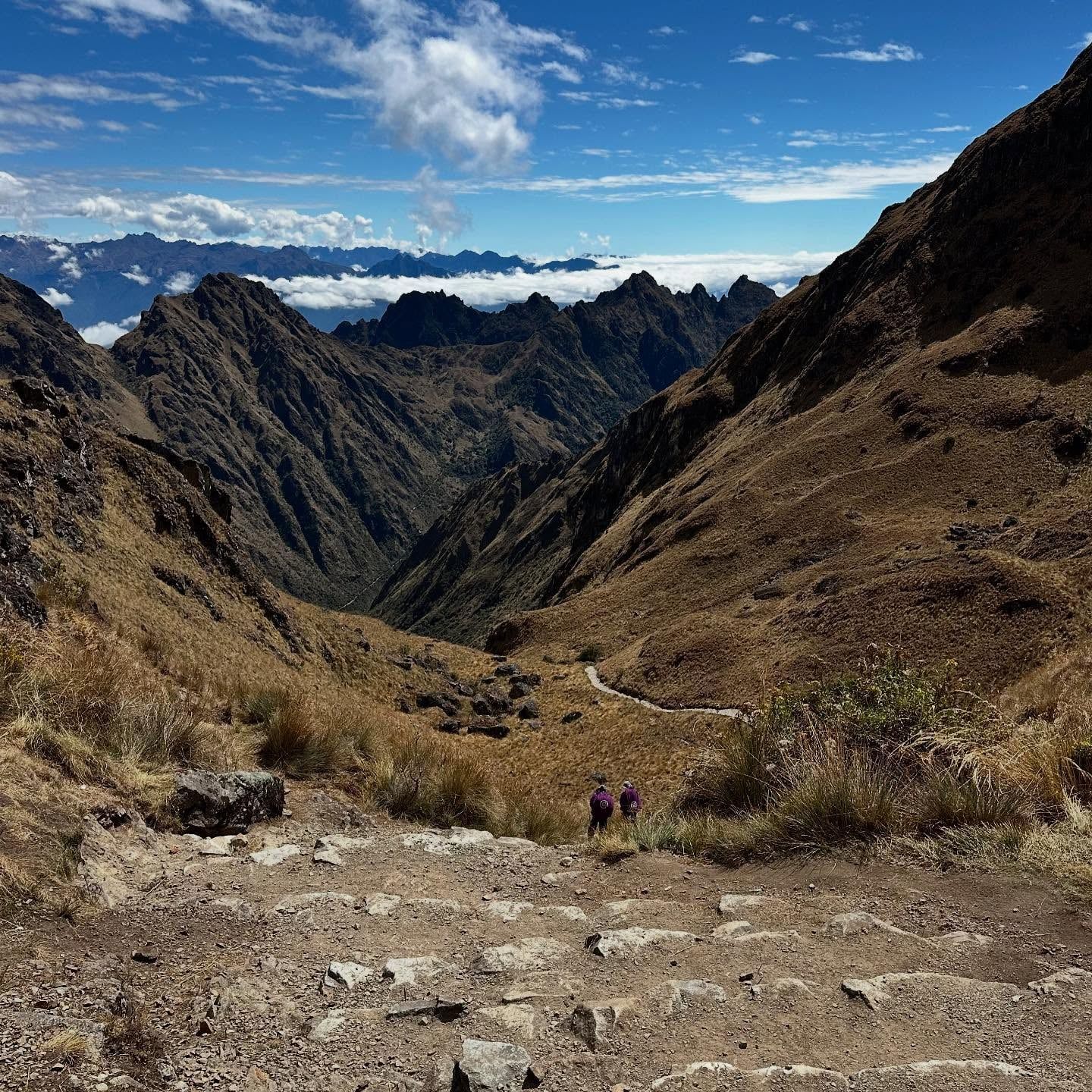
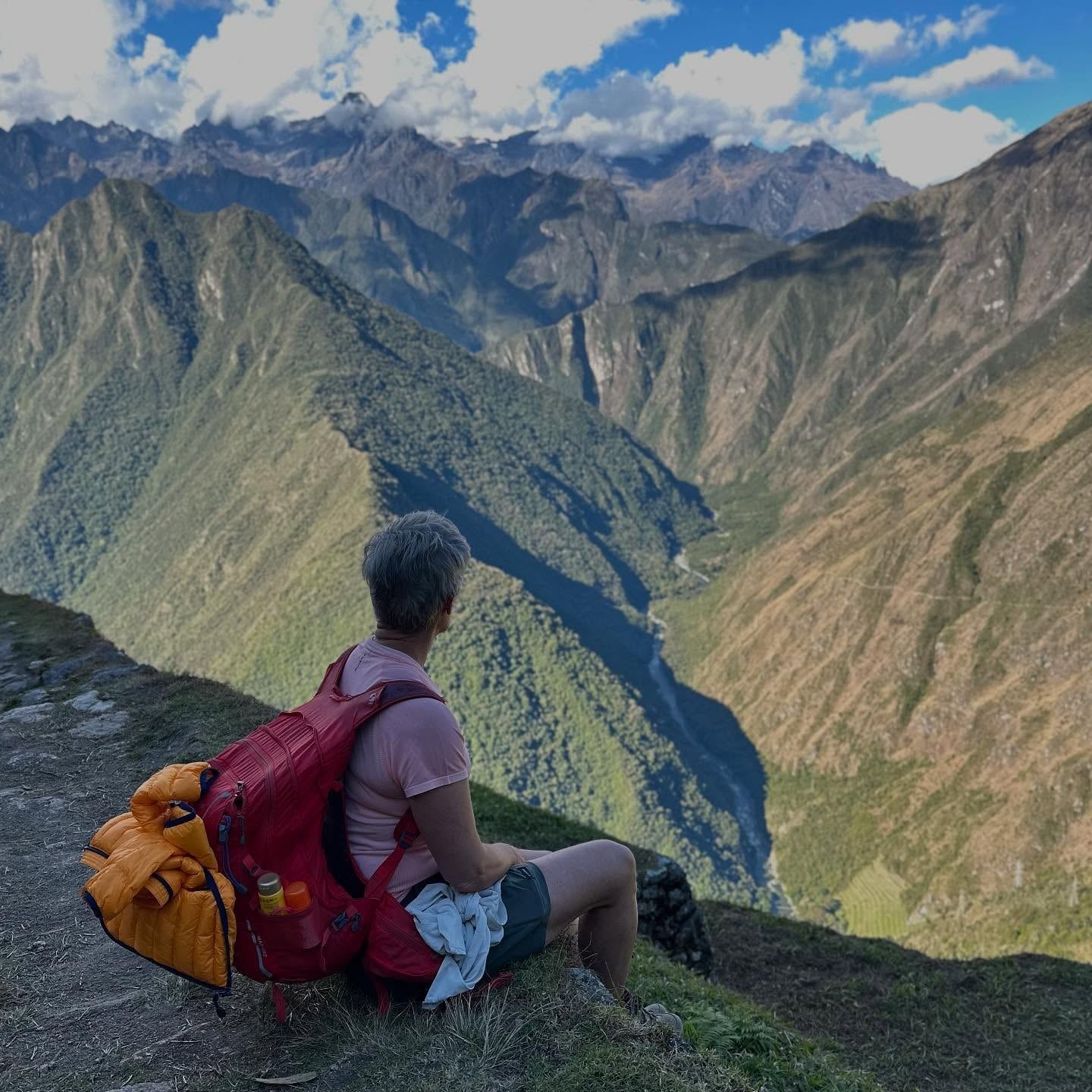
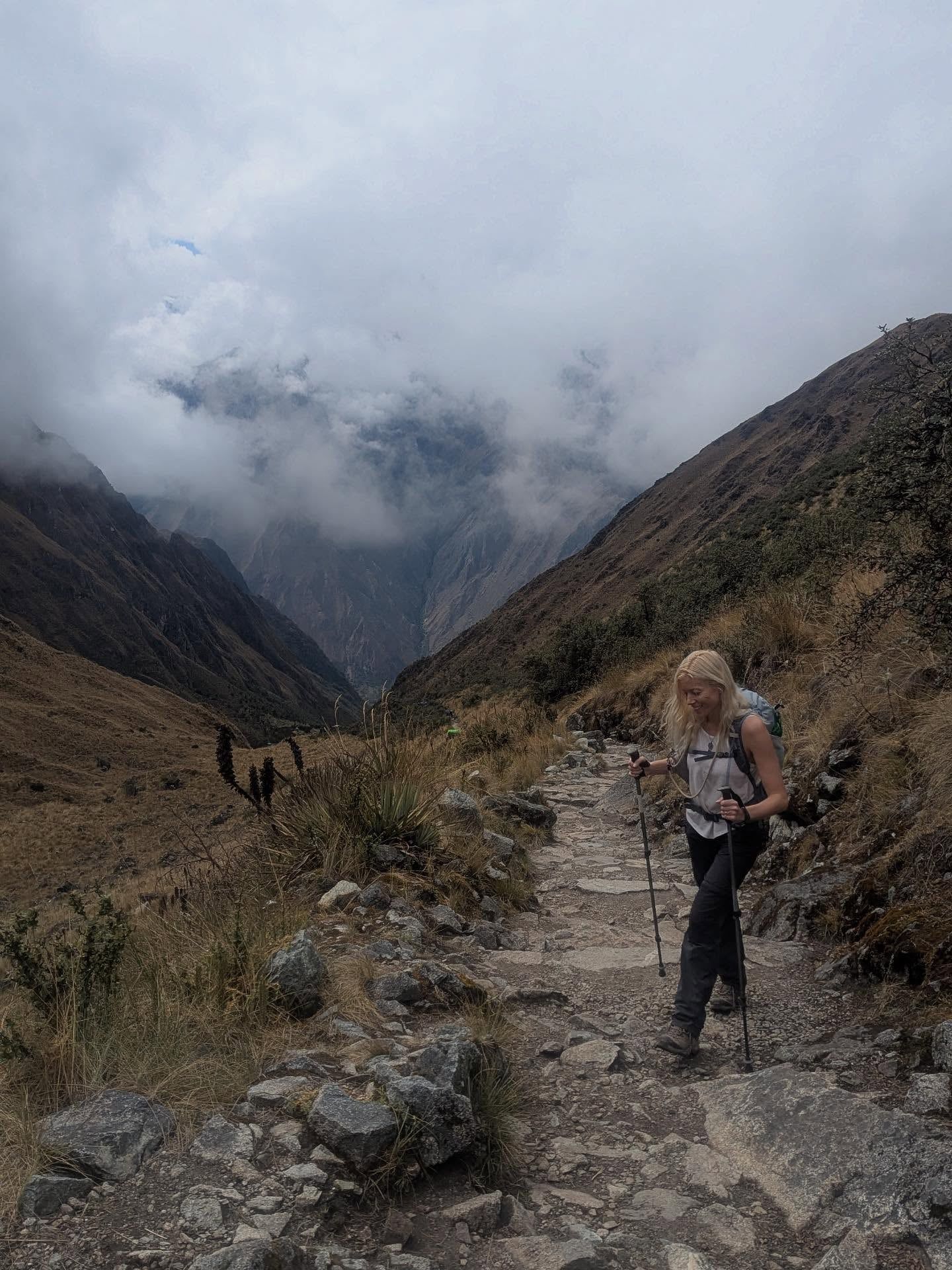
Trekkers face a demanding physical challenge ascending to Warmi Wañusqa, the highest point of the 42-kilometer trail at 4,215 meters. Reaching this extreme altitude rewards hikers with sweeping views of misty Andean peaks and a profound sense of accomplishment after a steep climb.
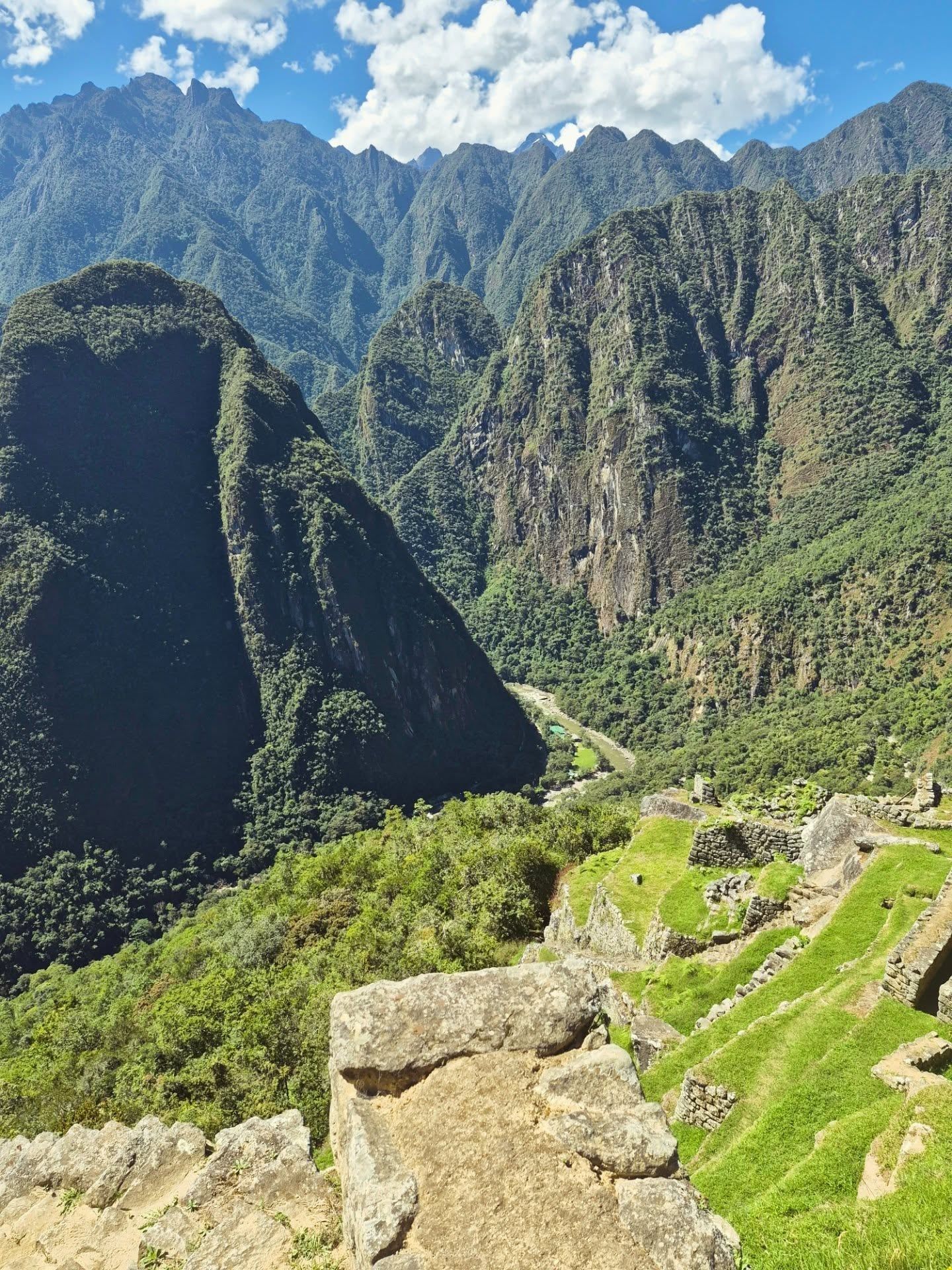
Ancient stone houses cling to a steep mountainside at this remarkable archaeological site. Hikers look out over the rushing Urubamba River while navigating extensive agricultural terraces, taking in dramatic valley views before completing the final leg of their four-day trek.
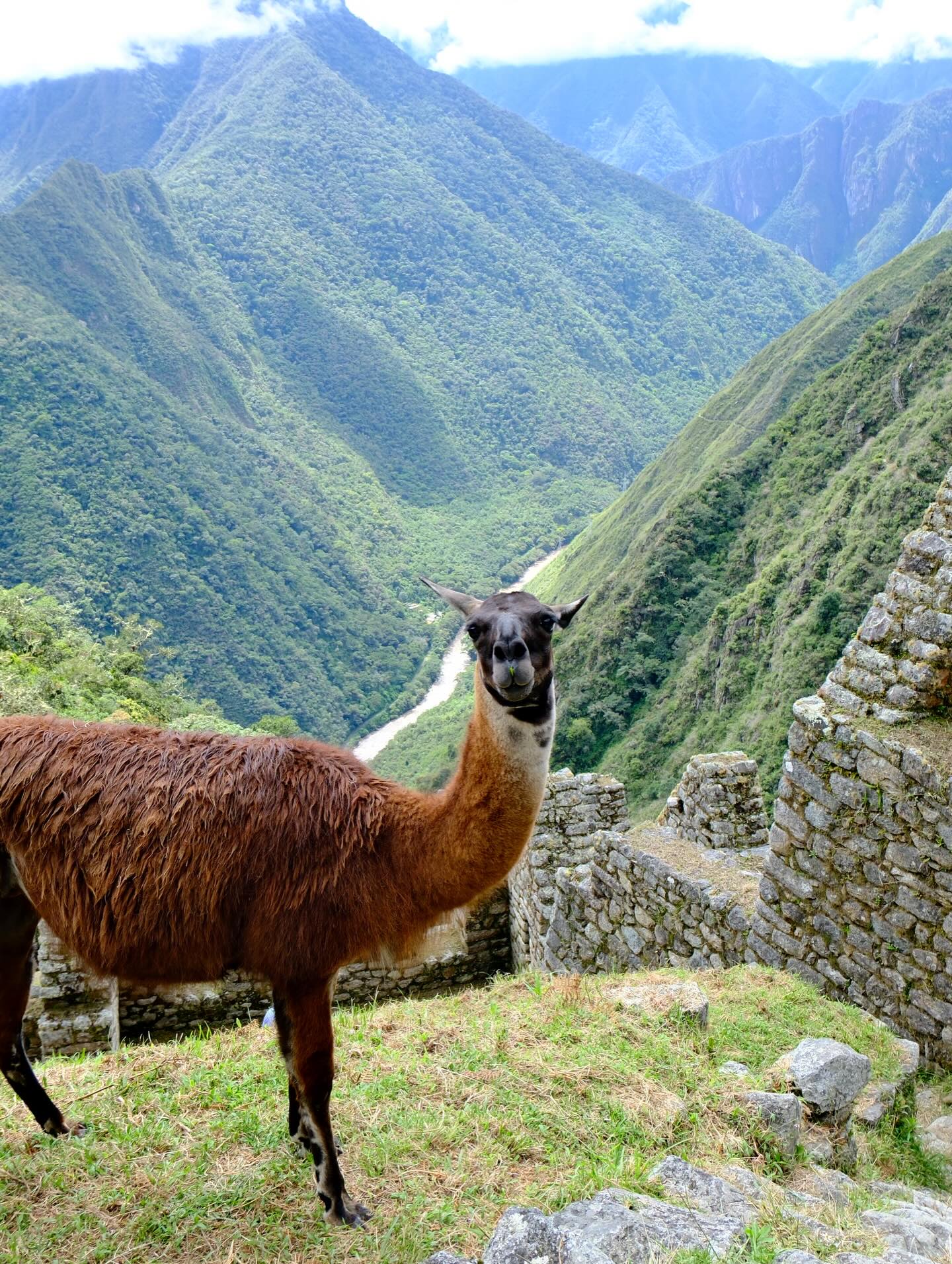
Known as the Town in the Clouds, this high-altitude archaeological site serves as a resting point often surrounded by a sea of morning mist. Trekkers standing among these ancient stone structures get spectacular 360-degree views of deep valleys and snow-capped peaks.
The trail culminates at the stone portal of Inti Punku. Approaching this entrance in the early morning allows hikers to catch their first panoramic glimpse of Machu Picchu, sitting at 2,430 meters above sea level, as the citadel emerges through the clouds.
Hand-picked tours with free cancellation and verified reviews
 96h
96h  96h
96h  Likely to Sell Out 48h
  48h
48h  Free Cancellation 96h
  Free Cancellation 48h
  16h
16h  Free Cancellation 48h
 The optimal time to hike the Inca Trail is during the dry season from May to September, which provides stable weather and clear views. Hikers must secure their permits six to nine months in advance because the government restricts access to 500 daily permits.
September offers clear skies at the end of the peak dry season. By November, heavy downpours arrive, creating extremely muddy paths and severely reducing visibility across the Andean terrain.
Hiking is highly unfavorable due to persistent rainy season downpours that degrade trail conditions. Authorities close the entire trail network for mandatory conservation and safety maintenance throughout February.
April remains unfavorable with heavy rains causing extremely muddy paths and poor visibility. Conditions shift favorably in May as the dry season begins, bringing stable, sunny weather to the mountains.
These peak dry season months deliver stable, sunny weather and clear skies for optimal trekking. Because of high demand, travelers must secure trail permits six to nine months in advance.
The Inca Trail is open daily from March through January. The entire trail network closes completely during February for mandatory conservation and safety maintenance. Entry to the final destination, Machu Picchu, operates in specific daily shifts (6:00 AM to 9:00 AM, 9:00 AM to 12:00 PM, and 12:00 PM to 3:00 PM). Visitors are limited to a maximum duration of four hours at the citadel, with a 30-minute tolerance time in low season and 45 minutes in high season.
| Category | Price |
|---|---|
| Classic 4-day Inca Trail (Adult) | €665 (or $760 to over $1,300 USD depending on the operator) |
| Short 2-day Inca Trail (Adult) | €479 (or $500 to $750 USD depending on the operator) |
| Children (under 18) and Students (with valid ID) | €30 or $30 USD discount applied to the standard rate |
Independent trekking is strictly prohibited. Mandatory official entry permits must be booked through an authorized tour operator. The government limits access to 500 total permits per day, with only 200 to 250 allocated to tourists. Secure your reservation six to nine months in advance if traveling during the peak dry season from May to September.
For complete schedules and ticket prices, visit our Hours & Fees page.
Reaching the Inca Trail requires traveling first to Cusco for acclimatization, typically via flight or long-distance bus from Lima. From Cusco, hikers proceed to trailheads like Ollantaytambo using local transport or organized tour services.
📍 Andes mountain range of Urubamba, Cusco
Travelers take a private vehicle or bus from Cusco to the Ollantaytambo station. They then board either a PeruRail or Inca Rail train bound for Aguas Calientes. This 43-kilometer rail route serves as the primary access method for the final leg of the trip. Upon arriving in Aguas Calientes, visitors board a 25-minute shuttle bus that drives directly to the Machu Picchu entrance.
Flying from Lima Airport is the fastest method to reach the Cusco region. The 580-kilometer route takes just over an hour and allows hikers to begin their crucial acclimatization process sooner. Once passengers land at the Cusco Airport, they can hire authorized taxis to reach their downtown hotels. These official airport taxis charge between 25 and 45 Peruvian Soles.
A long-distance bus route operates from Lima, passing through Ayacucho before finally arriving in Cusco. This 1,100-kilometer overland route presents a highly cost-effective alternative for budget-conscious travelers. Passengers should prepare for a full day of travel to complete the transit. The extended travel time requires careful itinerary planning to ensure sufficient days remain for mandatory altitude acclimatization.
For detailed transport options and routes, visit our Directions page.
Spend one to three days resting in Cusco or the Sacred Valley prior to your trek. The trail reaches a maximum elevation of 4,215 meters at Dead Woman's Pass. Proper acclimatization helps prevent severe altitude sickness during the steep ascents. Descend immediately if severe symptoms occur.
Park authorities completely ban drones, and unauthorized use results in immediate confiscation. You cannot bring tripods, selfie sticks, or monopods without a 500 USD commercial permit from the Ministry of Culture. Pack a small, flexible-leg phone grip instead for stable photos along the route.
Metal-tipped walking sticks damage the ancient stone paths and are strictly prohibited by park officials. You should purchase a hand-crafted wooden walking stick in Cusco for extra stability. This provides crucial support on steep, wobbly Incan stairs, especially for seniors tackling the rugged terrain.
Consider paying an additional 15 to 25 USD per day for a personal porter to carry heavy gear. This reduces physical strain significantly. Carry extra Peruvian Soles to tip your team at the end of the trek. Average tips range from 100 to 150 Soles per hiker.
Store your physical passport, official entry permits, and travel insurance in a secure, waterproof pouch inside your daypack. Rangers verify physical passports at multiple checkpoints along the 42-kilometer route. Keeping these documents dry is especially critical during the rainy season when downpours are frequent.
Bring a reliable headlamp and extra batteries for navigating dark, high-altitude campsites. You will need hands-free lighting for nighttime bathroom trips. It is also essential for early morning departures, particularly on the final day when hiking toward the Sun Gate before dawn.
This living Inca village has been continuously inhabited since the 13th century. It features well-preserved ruins like the Temple of the Sun, alongside historic streets blending ancient and modern architecture.
Located at the base of Machu Picchu, these natural thermal baths soothe sore muscles after a multi-day trek. Visitors typically rest in the warm water before returning to Cusco.
Massive monolithic stone foundations define this former main fortress situated high above Cusco. The site survived Spanish destruction and highlights the incredible precision of ancient Inca masonry.
Read what travelers share about their experience visiting Inca Trail — from practical tips to personal highlights.
A standard 4-day Classic Inca Trail tour costs between €665 and $1,300 USD per person, depending on the operator. The shorter 2-day route ranges from $500 to $750 USD. Children under 18 and students with a valid ID receive a discount of approximately $30 USD on official permits.
The dry season from May to September provides the most stable weather and clear skies for hiking. The entire trail network closes every February for mandatory conservation work and safety maintenance. Months like January, April, and November bring heavy rains that create extremely muddy paths and severely reduce visibility.
Trekkers typically travel 43 kilometers from Cusco to Ollantaytambo, which serves as the starting point for the trail and the main train station. Travelers use a private vehicle or bus to reach Ollantaytambo. Those skipping the hike can take a 1 hour and 45-minute train ride directly to Aguas Calientes.
Drones are strictly banned and subject to confiscation by park authorities. Metal-tipped walking sticks are also prohibited because they damage the ancient stone paths, so hikers should use wooden walking sticks instead. Other banned items include tripods, selfie sticks, disposable bottles, and large backpacks.
Wheelchair users can complete the 2-day Royal Inca Trail by booking specialized luxury tours that provide all-terrain wheelchairs and expert assistants. Inside Machu Picchu, access is restricted to Circuits 3 and 4, which feature smooth pathways and ramps. These visits require mandatory companion assistance, specialized accessibility guides, and advance booking of specific permits.
You must book permits six to nine months in advance for the peak dry season from May to August. The Peruvian government strictly limits access to 500 total permits per day. Only 200 to 250 of these daily spots are allocated for tourists, with the rest reserved for guides and porters.
Independent trekking on the Inca Trail is completely prohibited. Since 2001, it has been mandatory for all visitors to hike with a certified guide and an authorized tour operator. Rangers check official permits and physical passports at various checkpoints along the 42-kilometer route.
Trekkers reach a maximum elevation of 4,215 meters (13,829 feet) at Warmi Wañusqa, commonly known as Dead Woman's Pass. The route involves extreme elevation changes, eventually descending to Machu Picchu at 2,430 meters (7,970 feet) above sea level. Visitors should spend one to three days acclimating in Cusco beforehand to prevent altitude sickness.
Browse verified tours with free cancellation and instant confirmation.
Find Tours